
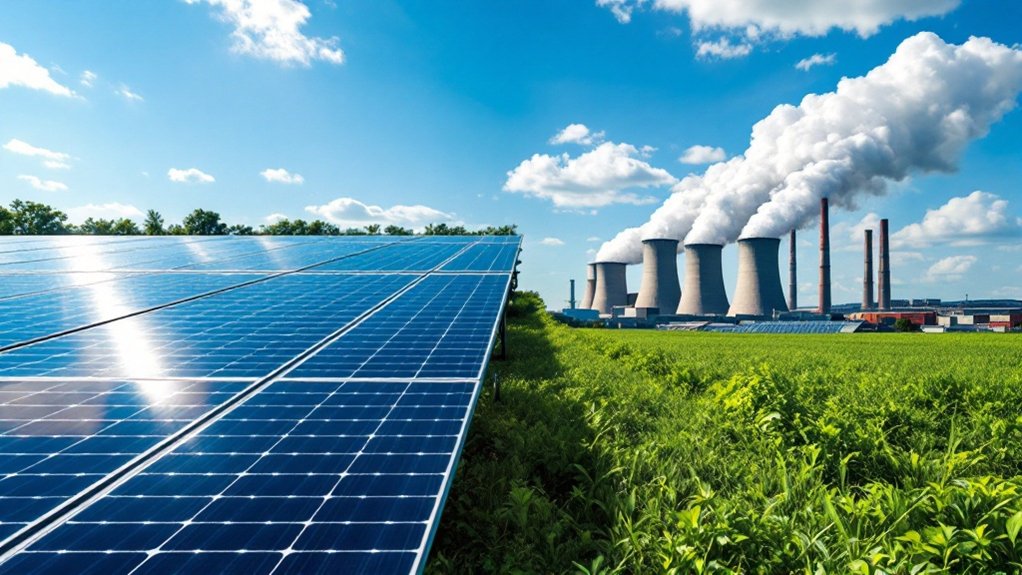
The debate between solar power and traditional energy sources continues to gain momentum. Solar energy offers a cleaner alternative with lower emissions, while traditional fossil fuels have long dominated the market. As technology evolves and awareness increases, the efficiency and cost-effectiveness of solar power become critical factors. This discussion invites an examination of various aspects, including environmental impact and economic viability, raising the question of which energy source truly holds the advantage.
Understanding Solar Power: How It Works
Although solar power has gained significant popularity in recent years, many still wonder how it functions. Solar energy harnesses sunlight through photovoltaic cells, which convert light into electricity. These cells, typically made of silicon, generate direct current (DC) when exposed to sunlight. An inverter then transforms this DC into alternating current (AC), making it usable for household appliances and the electrical grid. Solar panels are often mounted on rooftops or in solar farms, optimizing their exposure to sunlight. The energy produced can be used immediately or stored in batteries for later use. Additionally, solar power systems can integrate with existing energy infrastructures, allowing for a seamless shift to renewable sources while reducing reliance on fossil fuels. Furthermore, investing in solar energy contributes to job creation in renewable energy sectors, which can lead to a more robust and resilient job market.
The Environmental Impact of Solar Energy
The use of solar energy presents a promising alternative to traditional energy sources, particularly concerning its environmental impact. Solar power generation emits little to no greenhouse gases during operation, greatly reducing air pollution and contributing to efforts against climate change. In addition, solar panels can be installed on rooftops, minimizing land use and preserving natural habitats. The production of solar technology does entail some environmental costs, including resource extraction and manufacturing emissions; however, these effects are markedly less harmful than those associated with fossil fuel extraction and combustion. Moreover, solar energy systems have a long lifespan and decreasing costs, promoting wider adoption. Overall, the shift to solar energy represents a vital step toward a more sustainable and environmentally friendly energy future. Notably, California’s commitment to renewable energy will drive the transformation of its electricity generation landscape.
Traditional Energy Sources: An Overview
Traditional energy sources encompass a range of fuels and technologies that have powered economies for centuries. These sources primarily include fossil fuels such as coal, oil, and natural gas, which are extracted and burned to produce electricity, heat, and transportation. Additionally, nuclear energy, derived from fission reactions, plays a significant role in providing large-scale electricity without direct carbon emissions. Traditional energy systems have established infrastructure and are often associated with lower initial costs for energy production. However, they contribute to environmental challenges, including greenhouse gas emissions and air pollution. As global energy demands rise, understanding the benefits and drawbacks of traditional energy sources is essential in shaping future energy policies and addressing climate change concerns. Expanding renewable energy capacity offers a sustainable alternative to traditional energy sources and is crucial for reducing emissions.
Cost Comparison: Solar Power vs. Traditional Energy
The cost comparison between solar power and traditional energy involves several key factors, including initial installation expenses and long-term savings potential. Additionally, government incentives can greatly influence the overall financial impact of adopting solar technology. Understanding these components is essential for consumers evaluating energy options. Furthermore, the price of solar energy has dropped dramatically over the past decade, making it a more competitive choice against traditional energy sources.
Initial Installation Expenses
Although initial installation expenses can vary considerably based on location and technology, a clear distinction emerges when comparing solar power to traditional energy sources. Solar energy systems typically require a significant upfront investment, which includes the cost of solar panels, inverters, and installation services. This initial outlay can be substantial, often ranging from $15,000 to $30,000 for residential installations. In contrast, traditional energy sources such as natural gas or coal often involve lower initial costs associated with infrastructure and equipment. However, these costs can fluctuate based on regulatory requirements and market conditions. Ultimately, while solar power may present higher initial expenses, it is essential to take into account other factors beyond installation costs when evaluating overall energy options.
Long-Term Savings Potential
While initial costs for solar power can be challenging, the long-term savings potential often makes it a more economical choice compared to traditional energy sources. Over time, solar energy systems can greatly reduce electricity bills, as homeowners generate their own power instead of relying solely on utility companies. In addition, solar panels typically have long lifespans, often exceeding 25 years, which allows for substantial savings over their operational lifetime. In contrast, traditional energy sources often entail rising costs due to fluctuating fuel prices and maintenance expenses. Additionally, solar systems can increase property values, providing additional financial benefits. Overall, the long-term financial advantages of solar energy can outweigh the initial investment, making it a compelling alternative to conventional energy sources.
Government Incentives Impact
How do government incentives shape the financial landscape for solar power compared to traditional energy sources? Incentives such as tax credits, rebates, and grants greatly enhance the affordability of solar installations. These financial supports can offset initial costs, making solar energy more appealing to consumers. Conversely, traditional energy sources often lack similar incentives, resulting in higher long-term expenses for consumers. Additionally, many governments implement policies promoting renewable energy, which can further tilt the balance in favor of solar power. As a result, the financial viability of solar energy improves considerably, encouraging investment and adoption. Ultimately, government incentives play an essential role in determining the competitive edge of solar power over traditional energy sources in today’s energy market.
Efficiency of Solar Power vs. Fossil Fuels
As the demand for sustainable energy solutions grows, the efficiency of solar power compared to fossil fuels becomes increasingly relevant. Solar power systems typically convert sunlight into electricity at an efficiency rate of 15-20%, depending on technology and conditions. In contrast, fossil fuels, while capable of generating high levels of energy, suffer from significant energy losses during extraction, transportation, and combustion processes. For instance, coal-fired plants often operate at around 33% efficiency. Additionally, the environmental costs associated with fossil fuels, including greenhouse gas emissions and resource depletion, further complicate their efficiency evaluations. Ultimately, while fossil fuels may provide immediate energy output, solar power’s long-term sustainability and lower environmental impact position it as a compelling alternative in the energy landscape. Furthermore, the integration of renewable energy sources into building efficiency strategies can significantly enhance overall energy performance and reduce reliance on fossil fuels.
Government Incentives and Support for Solar Energy
Government incentives play an essential role in promoting the adoption of solar energy across various regions. These initiatives often include tax credits, rebates, and grants, which greatly lower the upfront costs associated with solar installations. By reducing financial barriers, governments encourage both residential and commercial entities to invest in solar technology. Additionally, some regions implement feed-in tariffs or net metering programs, allowing solar energy producers to sell excess energy back to the grid, further enhancing the appeal. Supportive policies can also include streamlined permitting processes and zoning regulations that facilitate solar development. As governments globally recognize the environmental benefits of renewable energy, sustained incentives are vital for fostering a robust solar market and shifting towards sustainable energy solutions.
Future Trends: The Shift Towards Renewable Energy
The growing adoption of government incentives has paved the way for a broader change towards renewable energy, with solar power leading the charge. As technological advancements drive down the costs of solar installations, more businesses and homeowners are opting for clean energy solutions. This alteration is further supported by increasing public awareness of climate change and the environmental impact of fossil fuels. Additionally, innovations in energy storage, such as batteries, are enhancing the efficiency and reliability of solar energy systems. The demand for sustainable energy sources is expected to continue rising, with governments worldwide committing to ambitious renewable energy targets. This change not only promises economic benefits but also promotes energy independence and reduces greenhouse gas emissions, marking a significant evolution in the energy sector.
Frequently Asked Questions
How Long Do Solar Panels Typically Last Before Needing Replacement?
Solar panels generally last between 25 to 30 years before requiring replacement. Their longevity depends on factors such as quality, installation, and maintenance, ensuring ideal performance and energy production throughout their operational lifespan.
Can Solar Energy Be Stored for Use During Cloudy Days?
Solar energy can indeed be stored for use during cloudy days. Battery systems, such as lithium-ion or lead-acid, capture excess energy generated on sunny days, allowing households to utilize solar power even when sunlight is insufficient.
What Are the Maintenance Requirements for Solar Energy Systems?
The maintenance requirements for solar energy systems typically include regular cleaning of panels, periodic inspections for damage, and ensuring inverters are functioning properly. Overall, such upkeep is essential for maximizing efficiency and longevity of the system.
How Does Solar Energy Impact Property Values?
The impact of solar energy on property values often leads to appreciation, as prospective buyers increasingly favor energy-efficient homes. Additionally, savings on utility bills can enhance the overall appeal and marketability of properties equipped with solar systems.
Are There Any Health Risks Associated With Solar Panel Installation?
Concerns about health risks associated with solar panel installation mainly involve potential exposure to hazardous materials during manufacturing and installation. However, studies indicate that properly installed panels pose minimal risk to human health over their operational lifespan.
Conclusion
In summary, solar power emerges as a superior alternative to traditional energy sources when considering environmental impact, efficiency, and long-term savings. Despite the initial costs, government incentives and evolving technology enhance its financial viability. As society increasingly prioritizes sustainability, the shift towards solar energy not only supports economic growth but also addresses pressing environmental concerns. Ultimately, embracing solar power represents a significant step toward a cleaner, more sustainable energy future.