
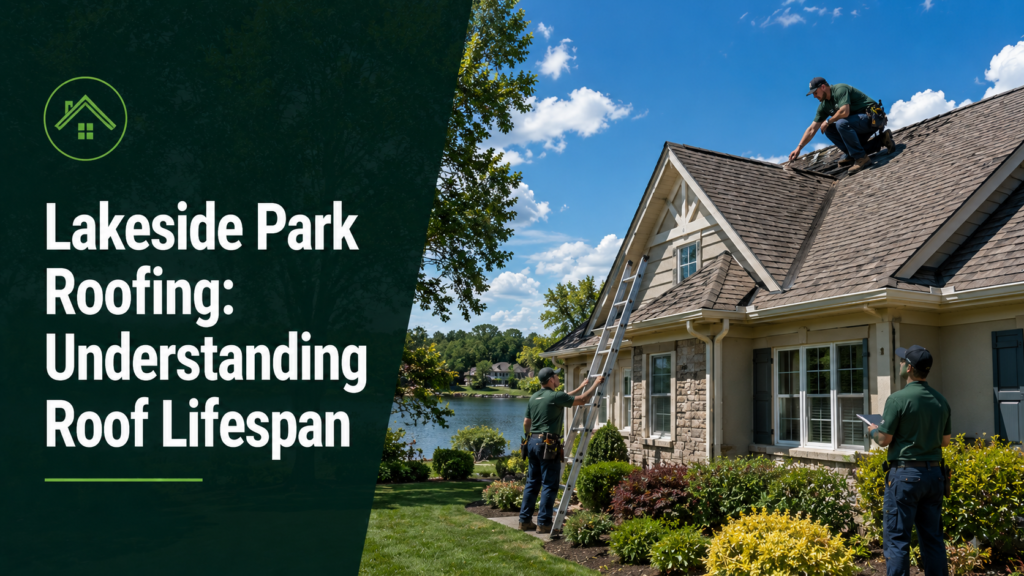
A roof is one of the most important parts of any home. It protects your property from rain, wind, heat, cold, and seasonal weather changes. For homeowners in Lakeside Park, understanding roof lifespan can help with maintenance planning, repair decisions, budgeting, and knowing when it may be time for a replacement.
Many people only think about their roof when there is a leak or visible damage. However, roofs age over time, even when they appear to be in good condition. Materials, installation quality, weather exposure, ventilation, and maintenance all play a role in how long a roof will last.
Why Roof Lifespan Matters
Knowing the expected lifespan of your roof helps you make smarter home improvement decisions. If your roof is nearing the end of its life, repairs may only provide a temporary solution. On the other hand, if your roof is still relatively young, proper maintenance may extend its performance for many more years.
Roof lifespan also matters for home value. Buyers often ask about roof age before making an offer. A well-maintained roof can make a home more attractive, while an aging or damaged roof may raise concerns during inspection.
Common Roofing Materials and Their Lifespans
Asphalt Shingles
Asphalt shingles are one of the most common roofing materials for residential homes. They are affordable, available in many styles, and suitable for many property types. Depending on the quality of the shingles and installation, asphalt roofs may last around 15 to 30 years.
Basic three-tab shingles usually have a shorter lifespan, while architectural shingles tend to last longer. Proper attic ventilation and regular inspections can help asphalt shingles perform better over time.
Metal Roofing
Metal roofing is known for durability and long-term value. A properly installed metal roof can last 40 to 70 years, depending on the material type and maintenance. Metal roofs can resist many common problems such as cracking, curling, and certain types of weather damage.
Although metal roofing costs more upfront than asphalt shingles, its longer lifespan may make it a good option for homeowners who want a long-term roofing solution.
Tile and Slate Roofing
Tile and slate roofs are premium materials with impressive lifespans. Clay or concrete tile roofs can often last 50 years or more, while slate may last 75 to 100 years when properly installed and maintained.
These materials are heavy, so the home must have the right structural support. They also require experienced installation. While tile and slate can last for decades, broken pieces should be repaired quickly to prevent water intrusion.
Different roofing materials have varying lifespans. For homeowners researching Lakeside Park Roofing, understanding how asphalt shingles, metal, tile, slate, and flat roofing systems age can help them plan better maintenance, repairs, and future replacement.
Factors That Affect Roof Lifespan
Installation Quality
Even the best roofing material can fail early if it is not installed correctly. Poor nailing, improper flashing, weak underlayment, and bad ventilation can all shorten a roof’s life. This is why choosing a qualified roofing contractor is essential.
A professional installer will follow manufacturer guidelines and local building standards. Proper installation helps prevent leaks, premature wear, and costly repairs.
Weather Exposure
Weather has a major impact on roof lifespan. Heavy rain, wind, heat, hail, snow, and seasonal temperature changes can wear down roofing materials. Homes with roofs that receive strong sun exposure may experience faster aging, especially with asphalt shingles.
Storm damage can also reduce lifespan. Even small issues, such as lifted shingles or damaged flashing, can lead to bigger problems if ignored.
Ventilation and Insulation
Attic ventilation is often overlooked, but it plays a big role in roof performance. Poor ventilation can trap heat and moisture inside the attic. This may cause shingles to age faster, wood decking to weaken, and mold or mildew to develop.
Good insulation also helps control temperature and moisture. Together, proper ventilation and insulation support a healthier roofing system.
Signs Your Roof May Be Aging
Visible Shingle Damage
Curling, cracking, missing, or loose shingles are common signs of roof aging. Granule loss is another warning sign. If you notice excessive granules in gutters or downspouts, the shingles may be wearing out.
Leaks or Water Stains
Water stains on ceilings or walls may indicate a roof leak. Even a small leak should be addressed quickly. Water can damage insulation, drywall, wood framing, and electrical systems.
Sagging or Soft Spots
A sagging roofline or soft areas may point to structural damage or moisture problems. These issues should be inspected by a professional as soon as possible.
How Regular Maintenance Extends Roof Life
Schedule Annual Inspections
A yearly roof inspection can catch problems early. A roofing professional can check shingles, flashing, gutters, vents, skylights, and other vulnerable areas. Inspections are especially helpful after major storms.
Keep Gutters Clean
Clogged gutters can cause water to back up and damage the roof edge, fascia, and foundation. Keeping gutters clean allows water to flow away from the home properly.
Trim Nearby Trees
Branches that rub against the roof can damage shingles. Falling limbs can also cause serious roof problems. Trimming trees near your home helps protect your roof and improves airflow.
Repair or Replace: How to Decide
When Repairs Make Sense
Repairs may be the right choice if the roof is still within its expected lifespan and the damage is limited. Small leaks, a few missing shingles, or minor flashing issues can often be fixed without replacing the entire roof.
When Replacement Is Better
Replacement may be the better option if the roof is old, has widespread damage, or requires repeated repairs. A new roof can provide better protection, improve curb appeal, and reduce the risk of ongoing leaks.
Conclusion
Understanding roof lifespan helps Lakeside Park homeowners protect their investment and make informed decisions. Roofing materials vary in durability, and factors such as installation quality, weather exposure, ventilation, and maintenance all affect how long a roof will last.
By scheduling inspections, keeping gutters clean, trimming trees, and addressing minor issues early, homeowners can extend the life of their roofing system. When the roof reaches the end of its useful life, timely replacement can prevent larger damage and provide long-term peace of mind.
FAQs
How long does a typical asphalt shingle roof last?
A typical asphalt shingle roof may last around 15 to 30 years, depending on shingle quality, installation, ventilation, maintenance, and weather exposure.
How do I know if my roof needs replacement?
Signs may include missing shingles, curling shingles, leaks, sagging areas, widespread granule loss, and frequent repair needs.
Can maintenance really extend roof lifespan?
Yes. Regular inspections, gutter cleaning, tree trimming, and quick repairs can help prevent small issues from becoming major roofing problems.
Is metal roofing worth the higher cost?
Metal roofing can be worth it for homeowners who want durability and a longer lifespan. It may cost more upfront, but it can last much longer than many standard roofing materials.
How often should I have my roof inspected?
Most homeowners should schedule a roof inspection at least once a year and after major storms or severe weather events.