
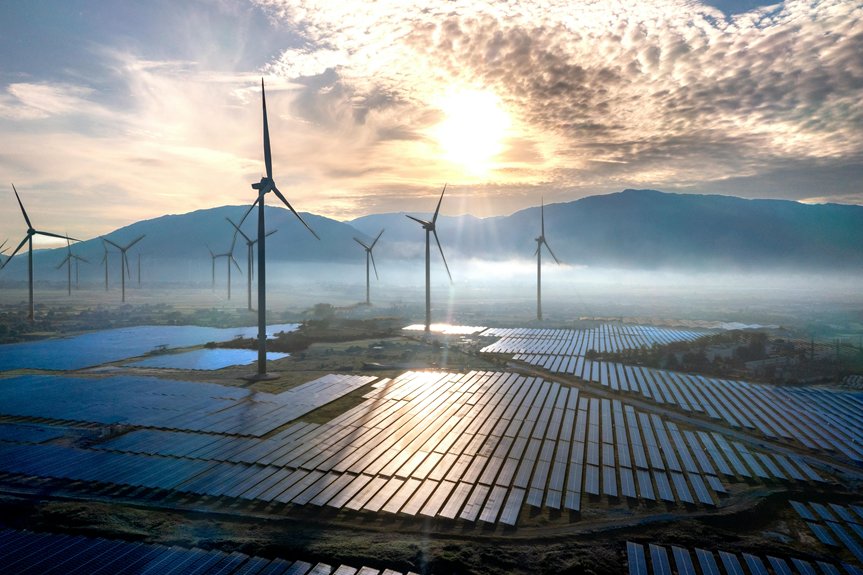
The shift towards renewable energy sources is reshaping the global energy landscape. Solar, wind, hydroelectric, and geothermal power are at the forefront of this transformation. These alternatives promise not only a reduction in greenhouse gas emissions but also economic growth and enhanced energy security. As governments invest and innovate, the future looks promising. Yet, questions remain about the challenges and potential of these technologies. What lies ahead in this evolving sector?
The Rise of Renewable Energy: A Global Perspective
The global landscape of energy production is undergoing a significant change as renewable energy sources gain prominence. Nations worldwide are shifting from fossil fuels to sustainable alternatives, driven by environmental concerns, technological advancements, and economic incentives. Wind, solar, hydro, and biomass energy are emerging as essential components of national energy strategies. Governments are increasingly investing in renewable infrastructures and providing incentives to both businesses and individuals, facilitating this change. Additionally, the declining costs of renewable technologies are making them more accessible and competitive against conventional energy sources. This shift not only addresses climate change but also enhances energy security and creates new job opportunities in various sectors. As a result, renewable energy is poised to shape a more sustainable global energy future, supporting a deeply decarbonized energy system that is crucial for mitigating climate risks.
Understanding Solar Power: How It Works and What It Offers
Solar power harnesses energy from the sun through photovoltaic cells, converting sunlight into electricity. This technology offers numerous benefits, including reduced greenhouse gas emissions and lower energy costs for consumers. Understanding these fundamentals can highlight solar power’s potential as a pivotal element in the shift to renewable energy. Moreover, recent advancements in renewable energy technologies are making solar power increasingly efficient and affordable.
Solar Power Basics Explained
While harnessing the power of the sun might seem like a modern innovation, the principles of solar power have been understood for centuries. Solar power operates by converting sunlight into electricity or heat through various technologies. Photovoltaic (PV) cells, commonly found in solar panels, capture sunlight and convert it directly into electricity via the photovoltaic effect. Alternatively, solar thermal systems utilize sunlight to heat a fluid, which is then used to generate steam and drive turbines for electricity production. These technologies can be deployed on rooftops, in solar farms, or for remote applications. Solar power is widely recognized for its potential to reduce reliance on fossil fuels, thereby playing a pivotal role in the shift towards sustainable energy solutions.
Benefits Of Solar Energy
Harnessing solar energy offers multiple advantages that extend beyond its ability to generate power. One of the primary benefits is its contribution to reducing greenhouse gas emissions, thereby promoting a cleaner environment. Solar power is renewable and abundant, providing a sustainable energy source that diminishes reliance on fossil fuels. The technology also enables energy independence for homes and businesses, lowering electricity bills considerably over time. Additionally, solar energy systems can increase property values and create local job opportunities in installation and maintenance. Moreover, advancements in solar technology continue to improve efficiency and lower costs, making it an increasingly viable option for diverse energy needs. Overall, solar energy presents a practical solution for addressing both environmental and economic challenges.
Wind Energy: Harnessing Nature’s Breath for Power
Wind energy stands as one of the most promising renewable resources in the quest for sustainable power. Utilizing the kinetic energy generated by wind, turbine technology converts this natural force into electricity. As a clean source of energy, wind power contributes greatly to reducing greenhouse gas emissions and dependence on fossil fuels. The expansion of wind farms has accelerated across various regions, allowing nations to tap into local wind patterns for energy production. Additionally, advancements in turbine design and efficiency have lowered costs and improved energy yield, making wind energy increasingly viable. Communities benefit from job creation and economic development associated with wind projects, highlighting wind energy’s potential to support both environmental sustainability and economic growth. Furthermore, the successful implementation of integrated planning is crucial for maximizing the benefits of wind energy within a low-carbon energy system.
Hydroelectric Power: Advantages of Water Energy
Hydroelectric power offers significant environmental benefits by reducing greenhouse gas emissions and promoting ecosystem balance. Furthermore, the economic advantages are notable, since this renewable energy source often leads to lower electricity costs and job creation in local communities. Consequently, hydroelectric energy stands out as an essential player in sustainable energy development. Additionally, its ability to create new job opportunities in emerging industries further enhances the positive impact of hydroelectric power on local economies.
Environmental Benefits of Hydropower
Numerous environmental benefits accompany the use of hydropower, positioning it as an important component of the renewable energy landscape. Hydropower facilities produce electricity with minimal emissions, markedly reducing greenhouse gases compared to fossil fuel power plants. They also promote water resource management, as reservoirs created by dams can assist in flood control and irrigation. Furthermore, hydropower contributes to biodiversity conservation by providing habitats for various aquatic species, when designed with ecological considerations. The ability to generate energy without depleting natural resources underscores its sustainability. In addition, hydropower can play a significant role in reducing reliance on non-renewable energy sources, fostering a cleaner environment. Overall, the environmental advantages make hydropower a critical player in the fight against climate change.
Economic Advantages of Water Energy
Beyond its environmental benefits, hydropower also offers significant economic advantages that contribute to its appeal as a renewable energy source. The initial investment in building hydroelectric plants is counterbalanced by their long operational lifespan, often exceeding 50 years. Additionally, hydropower plants have low operating and maintenance costs, leading to reduced electricity prices for consumers. They also create job opportunities during construction and ongoing operations, stimulating local economies. Hydropower contributes to energy security by providing a stable power supply and reducing dependence on fossil fuels, which are subject to market fluctuations. Furthermore, using water energy can attract investments in surrounding areas, enhancing overall economic development and supporting sustainable growth. Consequently, hydropower presents a compelling case beyond environmental considerations.
Geothermal Energy: Exploring Earth’s Natural Heat
Although often overshadowed by more popular renewable energy sources, geothermal energy presents a unique opportunity to harness the Earth’s natural heat for sustainable power generation. This renewable energy source utilizes heat stored beneath the Earth’s surface, enabling the generation of electricity and providing direct heating applications. Geothermal systems exploit steam or hot water from geothermal reservoirs, minimizing greenhouse gas emissions compared to fossil fuels. Moreover, geothermal plants have a small land footprint and can operate continuously, contributing to energy stability. Regions with tectonic activity, such as the Pacific Ring of Fire, are prime locations for geothermal development. As technology advances, the potential for geothermal energy is expanding, offering a reliable alternative in the shift to greener energy systems. Additionally, California’s commitment to renewable energy sources ensures that geothermal energy can play a significant role in achieving its emissions reduction goals.
Biomass Energy: Converting Organic Waste Into Sustainable Fuel
Biomass energy offers a promising approach to converting organic waste into sustainable fuel, utilizing various feedstocks such as agricultural residues, forestry byproducts, and municipal solid waste. This renewable energy source not only reduces landfill waste but also contributes to decreased greenhouse gas emissions. Understanding the types of biomass feedstocks and their associated environmental benefits is essential for maximizing their potential in the renewable energy landscape.
Types Of Biomass Feedstocks
As renewable energy continues to gain momentum, understanding the various types of biomass feedstocks plays an essential role in the development of sustainable fuel alternatives. Biomass feedstocks can be classified into several categories, including agricultural residues, forestry residues, energy crops, and organic waste. Agricultural residues consist of crop leftovers, such as straw and husks, that can be processed into fuel. Forestry residues include wood chips and sawdust obtained during timber operations. Energy crops are specifically cultivated for energy production, such as switchgrass and miscanthus. Finally, organic waste encompasses food scraps and animal manure, which can be converted into bioenergy. Each feedstock type offers unique advantages and challenges, shaping the future landscape of biomass energy utilization.
Environmental Benefits Of Biomass
Harnessing organic waste for energy conversion presents numerous environmental benefits that contribute to a sustainable future. Biomass energy reduces greenhouse gas emissions by utilizing organic materials that would otherwise decompose in landfills, releasing methane—a potent climate change contributor. By turning waste into fuel, biomass helps in waste management, diverting materials from disposal, thereby promoting a circular economy. Additionally, biomass can enhance soil health by producing biochar, a byproduct that improves soil fertility and reduces erosion. Utilizing local feedstocks reduces dependence on fossil fuels, fostering energy security and creating local jobs. Overall, biomass energy represents an efficient use of resources, facilitating a shift toward renewable energy practices while promoting environmental stewardship.
Economic Benefits of Renewable Energy: Growth and Job Creation
In recent years, the renewable energy sector has become a significant contributor to economic growth, generating millions of new jobs worldwide. This surge is attributed to increased investments in solar, wind, and biomass technologies, which stimulate local economies. Employment opportunities span various fields, including manufacturing, installation, and maintenance of renewable energy systems. Additionally, the growth of this sector encourages innovation, leading to advancements in technology and infrastructure. Governments and private companies are recognizing the potential of renewable energy to drive economic prosperity, often implementing policies that support sustainable energy initiatives. Consequently, the shift from fossil fuels to renewable sources not only supports job creation but also fosters a more resilient economy, paving the way for sustainable long-term growth.
Environmental Impact of Renewable Energy: A Cleaner Planet
The shift towards renewable energy not only drives economic growth but also plays an essential role in cleaning up the planet. By harnessing natural resources like sunlight, wind, and water, renewable energy sources markedly reduce greenhouse gas emissions compared to fossil fuels. This change helps mitigate climate change, leading to improved air quality and reduced health risks associated with pollution. Additionally, renewable energy systems typically use less water, preserving critical water resources. As these technologies evolve, they also promote biodiversity by limiting the destructive impacts of mining and drilling. Ultimately, the widespread adoption of renewable energy fosters a more sustainable environment, creating a cleaner planet for future generations while supporting ecological balance.
Government Roles in Expanding Renewable Energy Initiatives
Governments play a pivotal role in expanding renewable energy initiatives through policy-making, funding, and incentives. By establishing clear regulations and ambitious targets, they can encourage the adoption of renewable technologies. Financial support, such as grants and subsidies for clean energy projects, enables businesses and communities to invest in renewable sources more readily. Additionally, governments often implement tax incentives to reduce the economic burden on both consumers and producers, promoting the shift to sustainable energy solutions. Public-private partnerships can enhance infrastructure development, further accelerating the change towards renewables. Moreover, governments facilitate research and development by allocating funds to innovation initiatives aimed at improving efficiency and affordability within the renewable energy sector. Such strategic actions collectively foster a conducive environment for renewable energy growth.
Future Innovations in Renewable Technologies: What’s on the Horizon?
As renewable energy initiatives gain momentum due to government support, the future of renewable technologies is poised for remarkable advancements. Researchers are exploring innovations such as advanced solar panels with higher efficiency rates, which can capture more sunlight even in low-light conditions. Wind energy is also evolving, with larger, offshore turbines capable of generating more power while reducing noise pollution. Additionally, energy storage solutions like next-generation batteries aim to maximize energy retention, making intermittent sources more reliable. Innovations in bioenergy, utilizing waste materials, are on the rise, contributing to a circular economy. These advancements could considerably decrease costs and environmental impacts, making renewable energy sources more accessible and practical for widespread adoption in the coming decades.
Frequently Asked Questions
What Are the Main Challenges Facing Renewable Energy Adoption Globally?
The main challenges facing renewable energy adoption globally include high initial costs, technological limitations, inadequate infrastructure, regulatory barriers, intermittent energy supply, resource availability variations, and public resistance due to misconceptions about efficiency and reliability.
How Does Renewable Energy Affect Energy Prices for Consumers?
Renewable energy can stabilize or lower energy prices for consumers by reducing dependence on fossil fuels, promoting competition, and decreasing fuel price volatility. Long-term investments may initially raise costs but often lead to significant savings over time.
What Is the Lifespan of Renewable Energy Infrastructure?
The lifespan of renewable energy infrastructure varies by type, typically ranging from 20 to 50 years. Factors such as technology, maintenance, and environmental conditions greatly influence durability and overall efficiency throughout their operational life.
How Do Renewable Sources Compare in Terms of Efficiency?
Renewable energy sources exhibit varying efficiency levels. Solar panels typically convert 15-22% of sunlight into electricity, while wind turbines can achieve 35-45%. Hydroelectric systems generally show higher efficiency, often exceeding 90% in energy conversion.
What Are the Most Common Misconceptions About Renewable Energy?
Common misconceptions about renewable energy include beliefs that it is unreliable, overly expensive, and incapable of meeting energy demands. Many also underestimate advancements in technology and its potential for significant contributions to a sustainable future.
Conclusion
In summary, the shift to renewable energy sources is reshaping the global energy landscape, offering substantial economic and environmental benefits. With advancements in solar, wind, hydroelectric, geothermal, and biomass energy, nations are not only addressing climate change but also fostering innovation and job creation. As governments continue to support these initiatives, the collective effort towards sustainable energy promises a cleaner planet and a resilient future, paving the way for generations to come.