
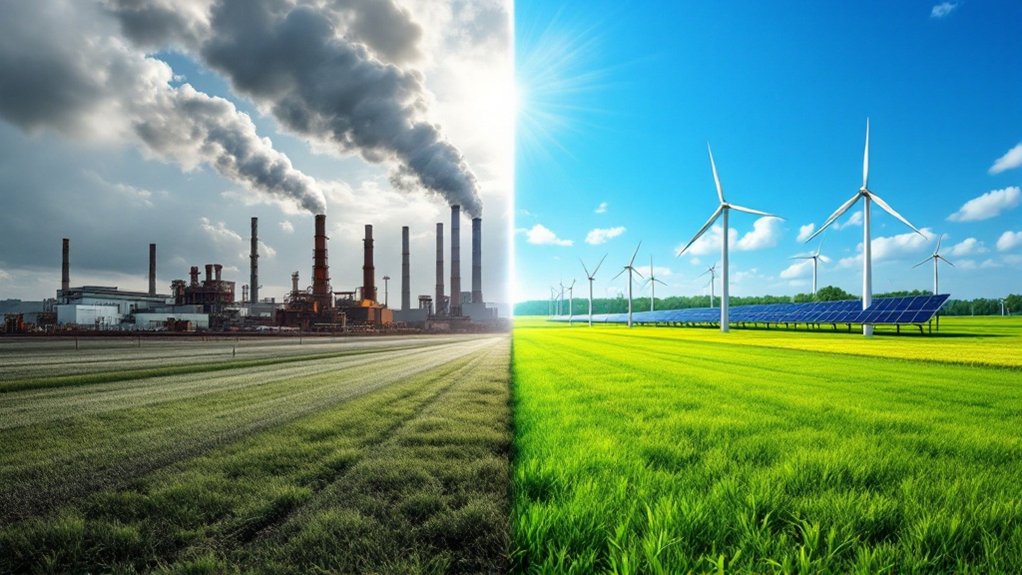
The debate between decarbonization and traditional energy approaches is increasingly relevant. Decarbonization emphasizes renewable energy sources while seeking to minimize greenhouse gas emissions. In contrast, traditional methods often rely on fossil fuels, contributing to environmental degradation. Each approach presents distinct advantages and challenges. As the world moves toward sustainability, understanding these differences becomes essential. What implications do these choices hold for the future of energy?
Understanding Decarbonization
Decarbonization represents a critical change in addressing climate change and reducing greenhouse gas emissions. This process involves shifting from fossil fuel-based energy systems to low or zero-emission alternatives. It encompasses a variety of strategies, including enhancing energy efficiency, electrifying transportation, and implementing carbon capture technologies. The ultimate goal is to achieve a net-zero carbon footprint, thereby mitigating the adverse effects of climate change on ecosystems and human health. Policymakers and businesses are increasingly recognizing the urgency of decarbonization, as its successful implementation could lead to sustainable economic growth and energy security. Furthermore, public awareness around environmental issues drives demand for cleaner alternatives, prompting a collective movement towards a decarbonized future, essential for preserving the planet for future generations. Innovative solutions play a crucial role in accelerating progress towards achieving these goals.
The Role of Renewable Energy Sources
How can renewable energy sources transform the landscape of energy production? Renewable energy sources, such as solar, wind, and hydroelectric power, offer sustainable alternatives to fossil fuels, greatly reducing greenhouse gas emissions. Their implementation not only mitigates climate change but also enhances energy security by diversifying the energy mix. As technology advances, the cost of renewable energy continues to decline, making it more accessible and economically viable. In addition, these sources promote job creation in new energy sectors, fostering economic growth. By harnessing local resources, communities can achieve greater energy independence. Overall, renewable energy serves as a cornerstone for a sustainable future, paving the way for innovative solutions to meet increasing energy demands while prioritizing environmental stewardship. Furthermore, California’s commitment to renewable energy will drive the transformation of its energy landscape and serve as a model for other regions.
Traditional Energy Production Methods
Traditional energy production methods have long relied on fossil fuels, such as coal, oil, and natural gas, to meet global energy demands. These sources are extracted and processed to generate electricity, heat, and fuel for transportation. Coal-fired power plants have been a dominant force, providing substantial energy output; however, they are also associated with significant operational costs and resource limitations. Oil and natural gas are integral for transportation and heating, yet their extraction processes can be complex and costly. Moreover, reliance on these non-renewable resources raises concerns regarding energy security and supply stability. As global energy consumption continues to rise, the sustainability of traditional energy production methods faces increasing scrutiny, prompting discussions on the necessity for more sustainable approaches. Transitioning to a low-carbon energy system can create new job opportunities in sectors like renewable energy and clean technology.
Environmental Impacts of Both Approaches
The environmental impacts of decarbonization and traditional energy production methods present stark contrasts, particularly regarding carbon emissions and resource consumption. Traditional approaches tend to result in higher carbon outputs and greater depletion of natural resources. In contrast, decarbonization strategies aim to mitigate these effects through cleaner technologies and sustainable practices. Additionally, the transition to a low-carbon energy system is essential for achieving long-term environmental benefits and economic opportunities.
Carbon Emissions Comparison
Although both decarbonization and traditional approaches aim to meet energy demands, their carbon emissions profiles reveal stark differences in environmental impact. Traditional energy sources, such as coal, oil, and natural gas, are significant contributors to greenhouse gas emissions, resulting in air pollution and climate change. In contrast, decarbonization emphasizes renewable energy sources like solar, wind, and hydro, which produce little to no carbon emissions during operation. Studies have shown that shifting to these sustainable alternatives can reduce overall carbon footprints drastically. Additionally, while traditional methods often rely on finite resources, decarbonization promotes energy efficiency and innovation, further minimizing emissions. Ultimately, the environmental benefits of decarbonization present a compelling case for its adoption over traditional approaches in addressing climate change.
Resource Consumption Analysis
Resource consumption patterns differ considerably between decarbonization strategies and traditional energy approaches, impacting the environment in various ways. Traditional methods, primarily reliant on fossil fuels, typically consume vast quantities of non-renewable resources, leading to habitat destruction, air pollution, and significant ecological disruption. In contrast, decarbonization efforts often emphasize renewable resources, such as solar and wind, which tend to have lower overall resource consumption and reduced ecological footprints. However, the production and installation of renewable technologies can still involve resource-intensive processes, including mining for materials like lithium and cobalt. Ultimately, while decarbonization presents a more sustainable path forward, careful consideration of resource consumption in both approaches is essential to mitigate environmental impacts effectively.
Economic Considerations: Cost and Investment
Economic considerations play a vital role in evaluating decarbonization versus traditional approaches. The initial investment required for green technologies often contrasts sharply with long-term savings potential and the availability of economic incentives. Understanding these factors is essential for stakeholders to make informed decisions about future energy investments. Additionally, investing in renewable energy sectors can lead to significant job creation, further enhancing the economic benefits of transitioning to a low-carbon economy.
Initial Investment Comparison
Investment in decarbonization often requires a substantial upfront commitment, which can create a stark contrast with traditional approaches. For example, renewable energy technologies, such as solar panels and wind turbines, necessitate significant capital outlay for installation and integration into existing systems. These initial costs may deter businesses and governments from adopting greener alternatives. In contrast, traditional methods like fossil fuel investments may appear less financially burdensome in the short term, as they often involve lower initial expenditures. However, this perception can be misleading, as the long-term economic implications of maintenance, regulatory compliance, and environmental remediation associated with traditional methods can accumulate over time. Ultimately, the choice between these approaches hinges on balancing initial investments against future financial and environmental costs.
Long-term Savings Potential
Sustainability presents a compelling case for long-term savings potential when compared to traditional energy approaches. By investing in renewable energy sources, organizations and households can considerably reduce their operational costs over time. For instance, solar panels and wind turbines often yield lower energy bills, diminishing reliance on fluctuating fossil fuel prices. Additionally, energy efficiency measures, such as improved insulation and smart technologies, not only decrease consumption but also enhance property value. While initial investments in sustainable technologies may be higher, the cumulative savings from reduced energy costs and maintenance expenses can far outweigh these upfront expenditures. Consequently, the long-term financial benefits of adopting sustainable practices become increasingly evident, positioning them as economically viable alternatives to conventional energy strategies.
Economic Incentives and Policies
Incentives play an essential role in shaping the landscape of energy consumption and investment. Economic incentives, such as tax credits, grants, and subsidies, encourage both individuals and corporations to adopt decarbonization technologies. These policies not only lower initial investment costs but also enhance the long-term viability of sustainable energy solutions. Additionally, carbon pricing mechanisms, including cap-and-trade systems, create financial motivation for reducing emissions. However, traditional approaches may lack similar robust incentives, leading to slower adoption rates of cleaner technologies. The effectiveness of these incentives is critical; well-structured policies can stimulate innovation and attract investment, ultimately driving the shift towards a greener economy. A balanced mix of incentives is essential for fostering meaningful investment in decarbonization efforts.
Social Implications and Public Perception
The social implications of decarbonization efforts are profound, influencing both community dynamics and individual behaviors. As societies shift towards sustainable practices, public perception plays an essential role in acceptance and participation. Communities often experience a heightened sense of collective responsibility, fostering collaboration on environmental initiatives. This can lead to increased social cohesion as individuals unite for a common purpose. However, resistance may arise from fear of economic disruption or loss of traditional jobs, creating divisions among stakeholders. Education and transparent communication are critical in shaping positive public perceptions, dispelling myths about decarbonization’s impact. Ultimately, successful decarbonization relies on addressing social concerns and cultivating a shared vision for a sustainable future, balancing environmental goals with community needs and aspirations.
Technological Innovations in Decarbonization
Innovations in technology are rapidly reshaping the landscape of decarbonization, providing essential tools to reduce carbon emissions across various sectors. Advances in renewable energy sources, such as solar and wind, have markedly improved efficiency and affordability, making them more accessible. Moreover, carbon capture and storage (CCS) technologies are emerging as crucial solutions, enabling industries to capture and repurpose emissions effectively. Smart grid technologies enhance energy management and distribution, promoting the use of decentralized renewable energy sources. Electric vehicles, alongside advancements in battery technology, are transforming transportation, reducing reliance on fossil fuels. Additionally, digital solutions like AI and blockchain are optimizing energy consumption and enabling transparency in carbon tracking. Collectively, these innovations are instrumental in driving the global shift toward a sustainable, low-carbon future.
Reliability and Stability of Energy Supply
While the shift to renewable energy sources is essential for decarbonization, ensuring the reliability and stability of energy supply remains a critical challenge. Renewable energy sources, such as solar and wind, are inherently variable and dependent on weather conditions, which can lead to fluctuations in power generation. This intermittency raises concerns about meeting consistent energy demand. Traditional energy systems, often reliant on fossil fuels, provide a stable and predictable supply but contribute to greenhouse gas emissions. Balancing these two approaches requires innovative solutions, such as the integration of energy storage technologies and demand response strategies. By enhancing grid infrastructure and investing in diverse energy portfolios, stakeholders can work towards a more reliable energy supply while advancing decarbonization efforts.
Policy and Regulatory Frameworks
Effective policy and regulatory frameworks play a pivotal role in guiding the shift toward decarbonization while addressing the complexities of energy supply. Governments and regulatory bodies are tasked with creating guidelines that incentivize renewable energy adoption, promote energy efficiency, and mitigate greenhouse gas emissions. These frameworks often include financial instruments such as carbon pricing, subsidies for clean technologies, and strict emissions standards. Successful implementation requires collaboration among stakeholders, including government entities, private sectors, and civil society. Furthermore, robust monitoring and enforcement mechanisms are essential to guarantee compliance and progress. As the energy landscape evolves, adaptive regulatory measures will be vital to balance economic growth with environmental sustainability, ultimately shaping the future of energy systems in a decarbonized world.
Future Outlook: A Hybrid Approach?
As the global community grapples with the urgent need to address climate change, a hybrid approach to energy systems emerges as a promising strategy. This methodology combines traditional energy sources with renewable technologies, offering a balanced path toward sustainability. By leveraging the reliability of fossil fuels during the shift, alongside the growing capabilities of wind, solar, and other renewables, a hybrid model aims to reduce carbon emissions while maintaining energy security. In addition, advancements in energy storage and smart grid technology enhance the efficiency of this approach. Stakeholders, including governments and industries, are increasingly recognizing the need for flexibility in energy policy. Ultimately, a hybrid strategy may provide the necessary framework to meet both environmental goals and economic demands in the coming decades.
Frequently Asked Questions
How Do Decarbonization Efforts Affect Job Markets in Traditional Energy Sectors?
Decarbonization efforts greatly affect job markets in traditional energy sectors, often leading to job displacement while simultaneously creating new opportunities in renewable energy. Shift strategies are essential for mitigating negative effects on workers and fostering sustainable employment growth.
What Are the Main Barriers to Adopting Decarbonization Technologies?
The main barriers to adopting decarbonization technologies include high initial costs, lack of infrastructure, insufficient public policy support, resistance from traditional energy sectors, and the need for extensive workforce retraining and public awareness campaigns.
How Do Cultural Attitudes Influence Energy Production Choices?
Cultural attitudes greatly shape energy production choices, as communities prioritize values such as environmental stewardship, economic growth, or energy independence. These influences can either promote innovative practices or reinforce reliance on traditional energy sources, impacting overall adoption.
Are There Any Health Benefits Associated With Decarbonization?
Research indicates that decarbonization can lead to improved public health outcomes by reducing air pollution, thereby decreasing respiratory illnesses and cardiovascular diseases. Enhanced air quality positively impacts overall community well-being and lowers healthcare costs associated with pollution-related health issues.
How Can Individuals Contribute to Decarbonization Efforts Locally?
Individuals can contribute to local decarbonization efforts by adopting sustainable transportation methods, reducing energy consumption, supporting renewable energy initiatives, participating in community clean-up programs, and advocating for policy changes that promote environmentally friendly practices.
Conclusion
In summary, while traditional energy approaches have long dominated the landscape, the shift toward decarbonization presents a compelling alternative with substantial environmental and economic benefits. By harnessing renewable energy sources and embracing innovative technologies, decarbonization not only mitigates greenhouse gas emissions but also paves the way for a more sustainable future. As policies evolve and investments grow, a hybrid approach may emerge, blending the strengths of both methods to guarantee a reliable and resilient energy system.