
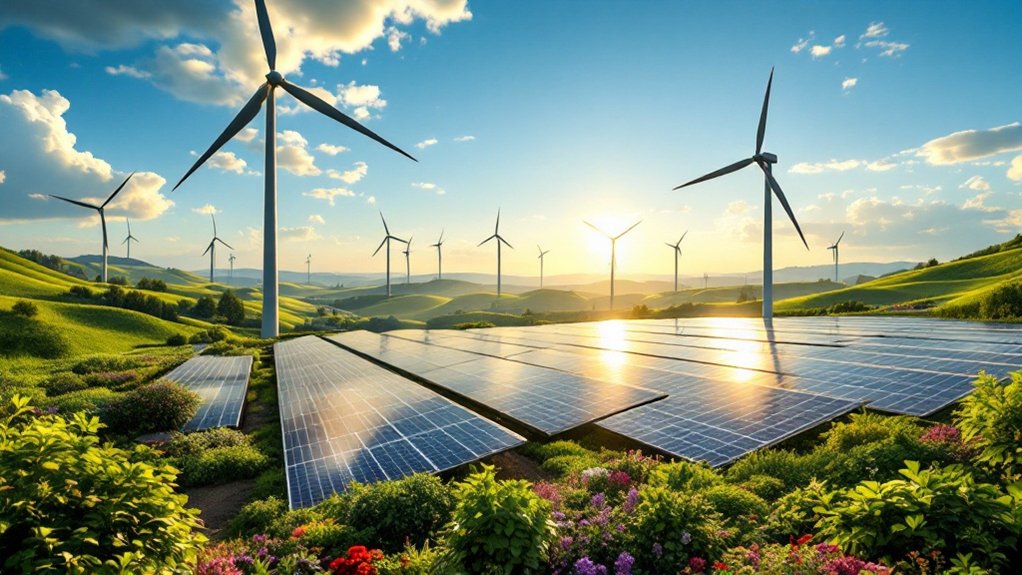
The quest for innovative renewable energy solutions is becoming increasingly pressing. As climate change accelerates, advancements in various technologies are pivotal. Solar, wind, hydropower, and geothermal sources are evolving to improve efficiency and accessibility. Meanwhile, energy storage systems and smart grids are reshaping energy distribution. With government incentives boosting investment, the landscape is shifting. But what are the specific innovations that will define the future of sustainable energy?
The Rise of Solar Energy Technologies
The rapid expansion of solar energy technologies has transformed the landscape of renewable energy. Advancements in photovoltaic cell efficiency and affordability have made solar power more accessible to a wide range of consumers. As installation costs decline, residential and commercial properties increasingly adopt solar panels, contributing to a significant rise in energy production. Innovations in energy storage systems, such as batteries, allow for better utilization of solar power, addressing the intermittent nature of sunlight. Additionally, government incentives and policies have accelerated the shift to solar energy, encouraging investment and development in the sector. This shift not only reduces reliance on fossil fuels but also promotes sustainability, paving the way for a cleaner environment and a more resilient energy grid. Furthermore, robust policy frameworks are essential to harness the full potential of innovation in deep decarbonization.
Harnessing the Power of Wind
Wind energy has emerged as one of the most promising renewable resources, harnessing the natural power of air currents to generate electricity. Wind turbines, which convert kinetic energy from the wind into electrical power, have become increasingly efficient and cost-effective. These installations can be found both onshore and offshore, each offering unique advantages. Onshore wind farms typically benefit from lower installation costs and easier maintenance, while offshore sites capitalize on stronger and more consistent winds. As technology advances, innovations such as larger turbine designs and enhanced grid integration are further optimizing wind energy production. This clean energy source greatly reduces greenhouse gas emissions, contributing to a sustainable future and decreasing reliance on fossil fuels. Wind energy, consequently, plays an essential role in combating climate change, and its expansion can lead to significant job creation in renewable energy sectors.
Innovations in Hydropower
Innovations in hydropower are transforming the landscape of renewable energy through advanced turbine technology. These developments aim to enhance efficiency while also addressing the environmental impacts associated with traditional hydropower systems. By integrating cutting-edge designs, the industry seeks to balance energy production with ecological preservation. Moreover, the adoption of renewable energy sources is crucial for reducing dependence on fossil fuels and promoting a sustainable energy system.
Advanced Turbine Technology
Advancements in turbine technology are reshaping the landscape of hydropower, enhancing efficiency and sustainability. Modern turbines are being designed with improved aerodynamic profiles and materials that withstand harsh environmental conditions while maximizing energy extraction. Innovations such as variable speed turbines allow for better adaptability to fluctuating water flow rates, resulting in enhanced energy generation. Additionally, the integration of digital monitoring systems enables real-time performance optimization, leading to increased operational efficiency. Research into small modular turbines is also gaining traction, providing scalable solutions for diverse geographical locations and minimizing the ecological footprint. Collectively, these advancements not only boost the productivity of hydropower facilities but also contribute to the broader goal of shifting to renewable energy sources for a sustainable future.
Environmental Impact Mitigation
As the demand for renewable energy grows, hydropower facilities are increasingly focusing on environmental impact mitigation through innovative practices. One prominent approach includes the integration of fish-friendly turbine designs, which minimize harm to aquatic life. These turbines allow for safer passage of fish species, preserving biodiversity and maintaining ecosystem health. Additionally, some facilities are implementing sediment management techniques to reduce reservoir siltation, enhancing water quality and operational efficiency. Moreover, real-time monitoring systems have been developed to assess environmental impacts continuously, providing data for adaptive management. By adopting these innovations, hydropower facilities aim to balance energy production with ecological preservation, demonstrating a commitment to sustainable development while addressing the concerns of local communities and environmental advocates.
Advancements in Geothermal Energy
While traditional geothermal energy has long been recognized for its potential in providing sustainable power, recent developments have greatly enhanced its efficiency and accessibility. Innovations in enhanced geothermal systems (EGS) allow for the extraction of heat from deeper, previously untapped geothermal resources. Improved drilling technologies and materials have considerably reduced costs and increased the feasibility of geothermal projects in diverse geographic locations. Additionally, advances in heat exchange systems and binary cycle technology enable the utilization of lower temperature resources, broadening the scope of potential sites. These advancements not only contribute to energy diversification but also aid in reducing reliance on fossil fuels. As a result, geothermal energy is becoming a more viable and attractive option in the pursuit of a sustainable energy future. Moreover, investing in low-carbon technologies like geothermal energy plays a crucial role in achieving deep decarbonization targets.
The Role of Biomass in Renewable Solutions
Biomass plays an essential role in the landscape of renewable energy solutions by providing various production methods that convert organic materials into usable energy. This energy source not only contributes to reducing reliance on fossil fuels but also offers significant environmental benefits, such as lower greenhouse gas emissions and improved waste management. Understanding these aspects of biomass is vital for evaluating its potential in sustainable energy strategies. Additionally, demand management strategies can complement biomass use by optimizing energy consumption and further reducing emissions.
Biomass Energy Production Methods
The diverse methods of biomass energy production play a crucial role in advancing renewable energy solutions. Biomass can be converted into energy through several techniques, including direct combustion, anaerobic digestion, and gasification. Direct combustion involves burning organic materials to create heat, which can then generate electricity. Anaerobic digestion breaks down organic matter in the absence of oxygen, producing biogas that can be used for heating or electricity. Gasification converts biomass into syngas through high-temperature processes, yielding a versatile fuel for power generation. Additionally, fermentation transforms biomass into biofuels such as ethanol. Each method leverages organic materials, emphasizing the potential of biomass as a sustainable energy source, contributing to a diverse energy portfolio while reducing reliance on fossil fuels.
Environmental Benefits of Biomass
How can biomass contribute to a more sustainable environment? Biomass energy plays an essential role in reducing greenhouse gas emissions, as it utilizes organic materials that would otherwise decompose, releasing carbon dioxide. When managed sustainably, biomass can provide a closed carbon cycle, offsetting emissions through the growth of new plants that absorb CO2. In addition, biomass energy reduces reliance on fossil fuels, which are finite and contribute greatly to climate change. It also promotes waste reduction by converting agricultural and municipal waste into energy, thereby minimizing landfill use. Moreover, biomass can enhance biodiversity by supporting diverse agricultural practices and land management strategies. Overall, biomass serves as a versatile renewable resource that fosters environmental sustainability and supports the shift to a greener future.
Energy Storage Breakthroughs
As renewable energy sources continue to expand, breakthroughs in energy storage technology are becoming increasingly crucial for ensuring a reliable and stable power supply. Innovations such as solid-state batteries, flow batteries, and advanced lithium-ion technologies are gaining traction, offering higher energy densities and longer lifespans. Additionally, researchers are exploring novel materials, such as graphene and sodium-ion, to enhance efficiency and reduce costs. Energy storage systems are essential for addressing the intermittent nature of solar and wind energy, enabling excess energy to be stored and utilized during periods of high demand. Moreover, advancements in thermal energy storage, including molten salt systems, are providing new avenues for maintaining grid stability. These developments signify a pivotal step toward achieving a sustainable energy future.
Smart Grids and Their Impact on Renewable Energy
While traditional power grids struggle to accommodate the variability of renewable energy sources, smart grids offer a transformative approach to energy management. These advanced systems utilize digital technology to enhance communication between energy producers and consumers, allowing for real-time monitoring and optimization of energy distribution. By integrating renewable resources such as solar and wind power, smart grids can efficiently balance supply and demand, reducing reliance on fossil fuels. In addition, they enable demand response strategies, where consumers adjust their energy usage based on grid conditions, promoting energy conservation. As a result, smart grids not only enhance the resilience of the energy infrastructure but also facilitate the shift to a sustainable energy future, thereby greatly impacting the effectiveness of renewable energy deployment.
Ocean Energy: Tapping Into Tidal and Wave Power
Although often overlooked in the renewable energy landscape, ocean energy presents a significant opportunity for sustainable power generation through tidal and wave energy. Tidal energy harnesses the gravitational pull of the moon and sun, creating predictable and reliable energy sources. In contrast, wave energy captures the kinetic energy produced by surface waves, offering the potential for substantial energy generation in coastal areas. Both methods are environmentally friendly and have minimal carbon footprints. Additionally, ocean energy systems can provide a consistent power supply, addressing some of the intermittency challenges associated with other renewables. As technology advances, the efficiency and cost-effectiveness of ocean energy solutions are expected to improve, making them an increasingly viable option for future energy needs.
The Future of Renewable Energy Policy and Investment
Given the urgent need to combat climate change and shift to sustainable energy sources, the future of renewable energy policy and investment is poised for significant transformation. Governments worldwide are increasingly prioritizing ambitious climate goals, leading to enhanced regulatory frameworks that support renewable technologies. Financial investments are shifting towards clean energy projects, driven by both public incentives and private sector innovation. As technological advancements lower costs, solar, wind, and energy storage solutions are becoming more accessible. Additionally, international collaborations are essential for sharing knowledge and resources, fostering a global green economy. Ultimately, the convergence of policy support and financial commitment will shape a sustainable energy landscape, paving the way for a resilient future that addresses environmental challenges effectively.
Frequently Asked Questions
How Can Individuals Contribute to Renewable Energy Adoption at Home?
Individuals can contribute to renewable energy adoption at home by installing solar panels, utilizing energy-efficient appliances, participating in community energy programs, reducing consumption, and supporting policies that promote sustainable energy practices within their local communities.
What Are the Environmental Impacts of Manufacturing Renewable Energy Technologies?
The environmental impacts of manufacturing renewable energy technologies include resource extraction, energy consumption, and waste generation. While these processes can produce greenhouse gas emissions, advancements in sustainable practices aim to mitigate negative effects and enhance overall benefits.
Are Renewable Energy Jobs Growing in the Current Economy?
The current economy is witnessing a notable increase in renewable energy jobs. Factors such as technological advancements, government policies, and heightened public awareness contribute to this growth, reflecting a significant shift towards sustainable employment opportunities in the energy sector.
How Do Renewable Energy Solutions Affect Energy Prices for Consumers?
The impact of renewable energy solutions on consumer energy prices varies considerably. While initial investments may lead to higher upfront costs, long-term benefits often result in reduced prices through increased competition and decreased reliance on fossil fuels.
What Challenges Do Developing Countries Face in Adopting Renewable Energy?
Developing countries encounter numerous challenges in adopting renewable energy, including limited financial resources, inadequate infrastructure, lack of technological expertise, and regulatory barriers. These factors hinder their ability to shift effectively towards sustainable energy solutions.
Conclusion
In summary, the evolution of renewable energy technologies, encompassing solar, wind, hydropower, geothermal, and ocean energy, signifies a pivotal shift towards a sustainable future. Innovations in energy storage and the implementation of smart grids further enhance this change, ensuring efficient energy distribution and reliability. As government incentives and investments continue to grow, the pathway toward a greener, more resilient energy landscape becomes increasingly attainable, promising a harmonious balance between energy needs and environmental preservation.