
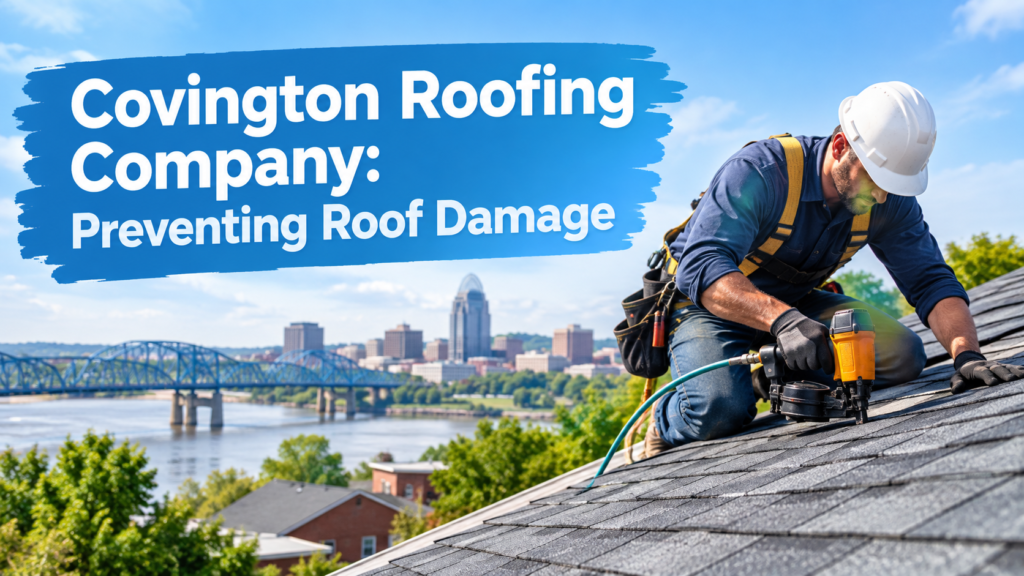
Your roof is one of the most important parts of your home. It protects your family, belongings, and interior spaces from rain, wind, snow, sunlight, and changing temperatures. While modern roofing systems are designed for durability, they still require regular attention to remain in good condition.
Roof damage often begins with small problems that are easy to overlook. A loose shingle, clogged gutter, damaged flashing, or blocked ventilation system can eventually contribute to leaks and more extensive repairs. Regular maintenance helps homeowners identify these concerns before they become major issues.
For Covington homeowners, understanding the common causes of roof damage and taking preventive steps can help protect the roof and the home beneath it.
Understanding Common Causes of Roof Damage
Several factors can gradually affect a roofing system. Some are caused by weather, while others result from maintenance issues or aging materials.
Severe Weather
Strong winds can loosen or remove shingles, while heavy rain can expose weaknesses around flashing, valleys, vents, and other roof penetrations. Storms can also leave branches and other debris on the roof.
After severe weather, homeowners should look for visible signs of damage from a safe location. If anything appears unusual, a professional inspection can help determine whether repairs are necessary.
Water and Poor Drainage
Water is one of the biggest threats to a roof. When gutters or downspouts become clogged, rainwater may not drain properly. Overflowing water can affect fascia, siding, and other parts of the home’s exterior.
Keeping drainage systems clear allows water to move away from the roof and foundation as intended.
Aging Roofing Materials
Every roofing system eventually reaches the point where materials begin to deteriorate. Shingles may curl, crack, lose granules, or become loose. Flashing can also become worn or damaged over time.
Routine inspections make it easier to recognize these warning signs before they contribute to interior water damage.
Preventative Steps Reduce Damage Risks
Preventative steps reduce damage risks. Working with a reliable covington roofing company can help homeowners identify vulnerable areas and address small roofing concerns before they develop into expensive problems. Professional inspections can also provide a clearer understanding of the roof’s current condition and maintenance needs.
A proactive approach is generally easier than waiting until a leak appears inside the home.
Keep Gutters and Downspouts Clear
Gutters play an important role in protecting the roofing system. Leaves, twigs, dirt, and other debris can accumulate inside gutters and restrict water flow.
Homeowners should inspect gutters regularly, especially after periods of heavy rain or when nearby trees shed leaves. Downspouts should also direct water away from the home’s foundation.
If gutters repeatedly overflow despite being clean, the roof drainage system may need further evaluation.
Inspect Shingles and Flashing
Shingles and flashing are among the most important areas to monitor.
From the ground, homeowners can look for:
- Missing or displaced shingles
- Curling or cracked shingles
- Excessive granules around gutters
- Damaged roof edges
- Loose or deteriorated flashing
- Visible debris buildup
- Sagging areas
Flashing deserves particular attention because it protects transitions and openings around chimneys, vents, and other roof penetrations. Damaged or deteriorated flashing can create opportunities for water intrusion.
Roof inspections should be performed safely. Homeowners do not need to climb onto a steep or difficult roof to identify potential problems. A qualified roofing professional can handle areas that require specialized access or equipment.
Maintain Proper Attic Ventilation
Roof protection does not stop at the exterior. The attic also plays an important role in the overall performance of a roofing system.
Poor ventilation can allow excessive heat and moisture to accumulate in the attic. Over time, this may contribute to problems such as moisture damage, mold growth, and premature deterioration of roofing materials.
Homeowners should make sure attic vents are not blocked and should ask a roofing professional to evaluate ventilation when there are signs of moisture or excessive heat.
Trim Overhanging Tree Branches
Trees can add beauty and shade to a property, but branches that extend over the roof can create risks. During storms, weak or dead branches may break and fall onto shingles.
Branches can also drop leaves and debris onto the roof and into gutters. Keeping nearby trees properly maintained can reduce these risks.
If a large branch is close to the roof or power lines, professional tree service is safer than attempting to remove it yourself.
Schedule Regular Roof Inspections
Regular inspections provide an opportunity to catch problems while they are still manageable. A professional can examine shingles, flashing, drainage, ventilation, roof penetrations, and other components that may not be obvious from the ground.
Current roofing maintenance guidance commonly recommends inspections at least seasonally or after significant weather events, depending on the home’s location, roof type, and condition.
For Covington homeowners, seasonal maintenance can be particularly useful for preparing the roof for changing weather conditions.
Address Small Problems Quickly
One of the most important principles of roof maintenance is not ignoring minor warning signs. A small leak may seem manageable, but water can travel through roofing materials, insulation, decking, walls, and ceilings before becoming visible indoors.
Signs that deserve prompt attention include:
- Water stains on ceilings or walls
- Damp or musty attic areas
- Missing shingles
- Visible flashing damage
- Sagging roof areas
- Persistent gutter overflow
- Daylight visible through roof decking
Addressing these issues early can help limit the scope of repairs.
FAQs About Preventing Roof Damage
How often should a roof be inspected?
Many homeowners benefit from having their roof inspected at least twice a year and after major storms. The appropriate schedule depends on the roofing material, age, weather exposure, and condition of the roof.
Can clogged gutters damage a roof?
Yes. Clogged gutters can interfere with drainage and cause water to accumulate or overflow into areas that are not designed to handle continuous moisture. Regular gutter maintenance helps support proper drainage.
What are signs that a roof needs professional attention?
Missing or curling shingles, damaged flashing, water stains, attic moisture, sagging areas, and unexplained leaks are all reasons to arrange a professional evaluation.
Should homeowners inspect the roof themselves?
A homeowner can perform a visual inspection from the ground and look for obvious warning signs. However, climbing onto a roof can be dangerous. Professional roofers have the equipment and experience needed to inspect difficult areas safely.
Can roof maintenance extend the life of a roof?
Regular maintenance can help identify and address problems before they become more extensive. Keeping shingles, flashing, drainage, and ventilation systems in good condition supports the overall performance of the roof.
Conclusion
Preventing roof damage starts with consistent maintenance rather than waiting for a leak or major storm problem. Keeping gutters clear, monitoring shingles and flashing, maintaining proper attic ventilation, trimming nearby branches, and scheduling professional inspections can all help protect your roofing system.
For homeowners in Covington, proactive care can make it easier to recognize potential problems and address them before they affect other parts of the home. A dependable roofing professional can also help determine which maintenance and repairs are appropriate for the roof’s age, material, and condition.