
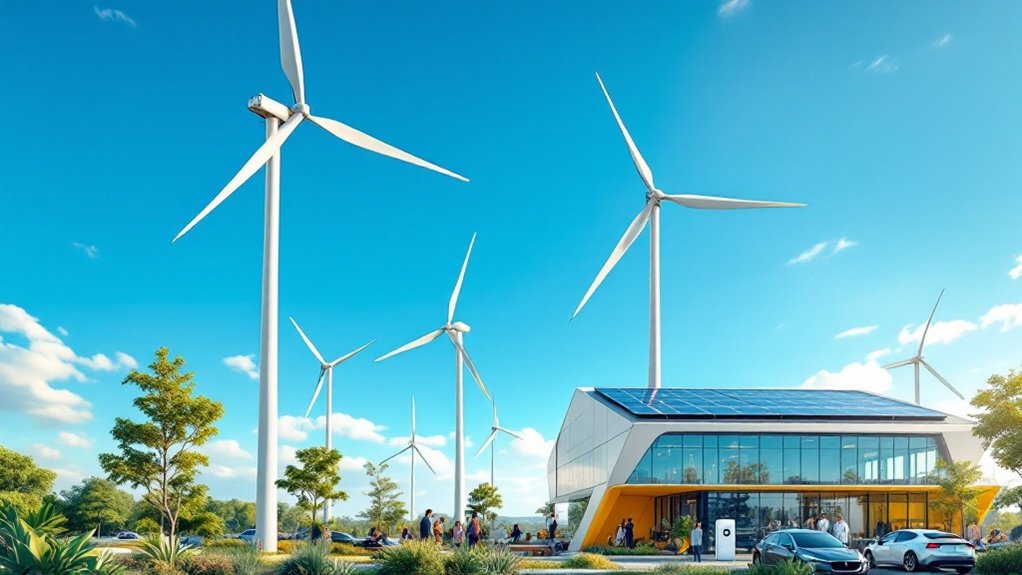
The integration of renewable energy into business practices is becoming increasingly significant. Companies are recognizing the potential for cost savings and improved operational efficiency. This shift not only aligns with environmental goals but also influences brand perception among consumers. As organizations explore innovative technologies and sustainable methods, they face new challenges and opportunities. Understanding these dynamics could reshape the future of business in unexpected ways. What lies ahead for companies embracing this transformation?
The Growing Importance of Renewable Energy in Business
As companies increasingly recognize the impact of climate change on their operations, the importance of renewable energy in business has surged. Organizations are adopting sustainable practices to mitigate environmental risks and enhance their corporate reputation. This shift towards renewable energy sources, such as solar and wind, aligns with global sustainability goals and meets consumer demand for environmentally responsible products. As businesses adapt to greener energy solutions, they not only reduce their carbon footprints but also contribute to a more sustainable economy. Moreover, integrating renewable energy into operations allows companies to comply with regulatory requirements and avoid potential penalties. Overall, the growing emphasis on renewable energy reflects a broader commitment to sustainability, positioning businesses as leaders in the fight against climate change. Additionally, the transition to a low-carbon economy offers significant job creation opportunities in emerging industries, further boosting economic stability.
Cost Savings and Financial Benefits
Businesses increasingly recognize the cost savings associated with renewable energy, particularly through reduced energy expenses. Additionally, the availability of tax incentives further enhances the financial benefits of shifting to sustainable practices. These factors contribute to a compelling case for adopting renewable energy solutions. Furthermore, expanding renewable energy capacity not only drives down costs but also supports electrification efforts across various sectors.
Reduced Energy Expenses
Significant reductions in energy expenses can provide substantial cost savings for companies that adopt renewable energy sources. As traditional energy costs continue to rise, organizations are increasingly turning to solar, wind, and other renewable options to mitigate financial strain. Lower operational costs can enhance profit margins and enable reinvestment in other areas of the business. Additionally, renewable energy technologies often require less maintenance than conventional systems, translating to additional savings over time. Companies may also benefit from fixed energy rates, protecting them from market volatility. Overall, the shift to renewable energy not only aids in reducing expenses but also fosters a more sustainable and financially resilient business model. This strategic move is integral in today’s competitive marketplace.
Tax Incentives Availability
Adopting renewable energy not only leads to reduced energy expenses but also opens the door to various tax incentives that can further enhance financial benefits for companies. Governments often provide tax credits, deductions, and grants to encourage businesses to invest in renewable technologies. These incentives can greatly lower the initial capital outlay and improve return on investment. For instance, the Investment Tax Credit (ITC) allows businesses to deduct a substantial percentage of solar energy system costs from federal taxes. Additionally, accelerated depreciation can enable companies to recover costs more quickly. By leveraging these tax benefits, businesses can not only achieve substantial cost savings but also strengthen their commitment to sustainability, positioning themselves favorably in an increasingly eco-conscious market.
Enhancing Brand Image and Customer Loyalty
While companies increasingly seek sustainable practices, enhancing brand image and fostering customer loyalty have emerged as critical outcomes of integrating renewable energy solutions. By adopting renewable energy, businesses signal their commitment to environmental responsibility, resonating with eco-conscious consumers. This alignment with sustainability values can differentiate brands in competitive markets, attracting customers who prioritize ethical considerations in their purchasing decisions. Additionally, companies that showcase their renewable energy initiatives often experience increased consumer trust, as transparency in sustainability efforts reinforces credibility. Engaging customers through educational campaigns about renewable practices also cultivates a loyal customer base, transforming them into advocates for the brand. Ultimately, the integration of renewable energy not only benefits the environment but also strengthens business relationships with consumers. Moreover, California’s commitment to renewable energy sets an example for companies looking to enhance their sustainability efforts.
Innovation and Technological Advancements
Innovation and technological advancements play a vital role in the renewable energy sector. Smart energy solutions and the integration of sustainable technologies are transforming traditional business practices, enabling companies to operate more efficiently and responsibly. This evolution not only enhances operational performance but also positions businesses as leaders in the shift towards a greener economy. Moreover, breakthroughs in energy storage technology are essential for addressing the challenges posed by intermittent renewable energy sources.
Smart Energy Solutions
Numerous advancements in smart energy solutions are transforming the landscape of renewable energy across various industries. These innovations focus on optimizing energy consumption through real-time data analytics, advanced metering infrastructure, and automated controls. Businesses are increasingly adopting smart grids and Internet of Things (IoT) technologies, which enable seamless communication between energy producers and consumers. This connectivity leads to improved energy efficiency and reduces operational costs. Additionally, predictive analytics empower organizations to anticipate energy needs and adjust consumption patterns accordingly. As a result, companies can considerably lower their carbon footprints while enhancing overall productivity. The integration of smart energy solutions not only facilitates sustainable practices but also fosters a competitive edge in an increasingly eco-conscious market.
Sustainable Technology Integration
The integration of sustainable technology is reshaping business operations, aligning them with environmental goals while enhancing efficiency. Companies are increasingly adopting innovative solutions such as energy-efficient systems, waste reduction technologies, and sustainable materials, which not only lower their carbon footprint but also reduce operational costs. Advanced data analytics tools enable organizations to monitor energy consumption and optimize resource allocation effectively. Additionally, the rise of automation and smart technologies facilitates the seamless implementation of renewable energy sources. As a result, businesses are not only meeting regulatory requirements but also appealing to environmentally conscious consumers. By prioritizing sustainable technology, companies position themselves as leaders in their industries, fostering long-term growth and resilience in an ever-evolving marketplace.
Regulatory Compliance and Risk Management
As the renewable energy sector continues to expand, companies must navigate a complex landscape of regulatory compliance and risk management to guarantee sustainable operations. Regulatory frameworks are constantly evolving, necessitating that businesses stay informed about local, national, and international laws. Failure to comply can result in significant financial penalties and reputational harm. Additionally, companies must assess potential risks associated with environmental impacts, resource availability, and technological advancements. Effective risk management strategies involve conducting regular audits, engaging stakeholders, and implementing robust monitoring systems. By prioritizing compliance and risk management, organizations can enhance their operational resilience, foster trust among consumers, and position themselves favorably within the competitive renewable energy market. This proactive approach ultimately supports long-term sustainability goals. Moreover, achieving an 80% reduction in greenhouse gas emissions by 2050 requires that businesses align their strategies with broader decarbonization efforts.
Creating a Sustainable Supply Chain
While many companies recognize the importance of sustainability, creating a sustainable supply chain requires deliberate strategies and concerted efforts across all levels of operations. Organizations must assess their sourcing practices, favoring suppliers who prioritize renewable materials and ethical labor practices. Implementing efficient logistics minimizes carbon footprints and waste, promoting the use of eco-friendly transportation methods. Additionally, integrating technology for real-time tracking and data analytics enhances transparency and accountability throughout the supply chain. Companies can also collaborate with stakeholders, including suppliers and customers, to foster a shared commitment to sustainability. By adopting these strategies, businesses not only reduce their environmental impact but also enhance their brand reputation, driving long-term success in an increasingly eco-conscious market.
Employee Engagement and Corporate Culture
How can a strong corporate culture enhance employee engagement? Companies that prioritize renewable energy often cultivate a culture centered on sustainability, which resonates with employees’ values. This alignment fosters a sense of purpose and belonging, motivating employees to contribute actively to organizational goals. When employees perceive their company as a leader in renewable initiatives, they are more likely to feel pride in their work, leading to increased job satisfaction and retention. In addition, a transparent and inclusive corporate culture encourages open communication, allowing employees to share ideas and participate in sustainability efforts. As a result, such engagement not only enhances individual performance but also drives collective innovation, making the organization more competitive in an increasingly eco-conscious market.
Future Trends in Renewable Energy Adoption
What innovations will shape the future of renewable energy adoption? As technology advances, businesses are likely to see an increased integration of artificial intelligence and machine learning to optimize energy management systems. Decentralized energy solutions, such as microgrids, will empower companies to manage their energy sources more efficiently. Moreover, advancements in energy storage technologies, particularly in battery systems, will enhance the reliability of renewable energy sources, making them more appealing for business use. Policy shifts toward sustainability will also drive investment in renewable energy infrastructure. Additionally, the emergence of green financing options will facilitate capital allocation for renewable projects. Ultimately, these trends will guarantee that renewable energy becomes a cornerstone of modern business practices, fostering a more sustainable future.
Frequently Asked Questions
How Can Small Businesses Transition to Renewable Energy?
Shifting to renewable energy for small businesses involves evaluating energy needs, researching available options, securing financing, implementing energy-efficient technologies, and leveraging local incentives, ultimately fostering sustainability while potentially reducing operational costs and enhancing brand reputation.
What Renewable Energy Options Are Best for Urban Areas?
Urban areas benefit from solar panels on rooftops, wind turbines in open spaces, and energy-efficient building designs. These options maximize limited space and resources, promoting sustainable energy solutions while reducing environmental impact and enhancing urban resilience.
How Do Renewable Energy Initiatives Impact Employee Recruitment?
Renewable energy initiatives considerably enhance employee recruitment by attracting environmentally conscious candidates. Companies committed to sustainability often create a positive image, fostering a work culture that appeals to individuals seeking meaningful employment and alignment with their values.
What Are Common Misconceptions About Renewable Energy in Business?
Common misconceptions about renewable energy in business include its high cost, inefficiency, and limited applicability. Many underestimate its potential for profitability and sustainability, while others mistakenly believe that renewable options cannot meet large-scale energy demands effectively.
How Does Renewable Energy Affect Corporate Social Responsibility Efforts?
Renewable energy greatly enhances corporate social responsibility efforts by promoting sustainability, reducing carbon footprints, and fostering positive community relations. Companies adopting renewable sources demonstrate commitment to environmental stewardship, which can improve brand reputation and customer loyalty.
Conclusion
In summary, the integration of renewable energy into business practices not only promotes sustainability but also drives significant cost savings and innovation. By enhancing brand image and fostering employee engagement, companies position themselves as leaders in the shift to a low-carbon economy. As businesses navigate regulatory landscapes and create sustainable supply chains, the ongoing adoption of renewable energy will continue to reshape industries, ensuring a more environmentally responsible future while meeting the demands of eco-conscious consumers.