
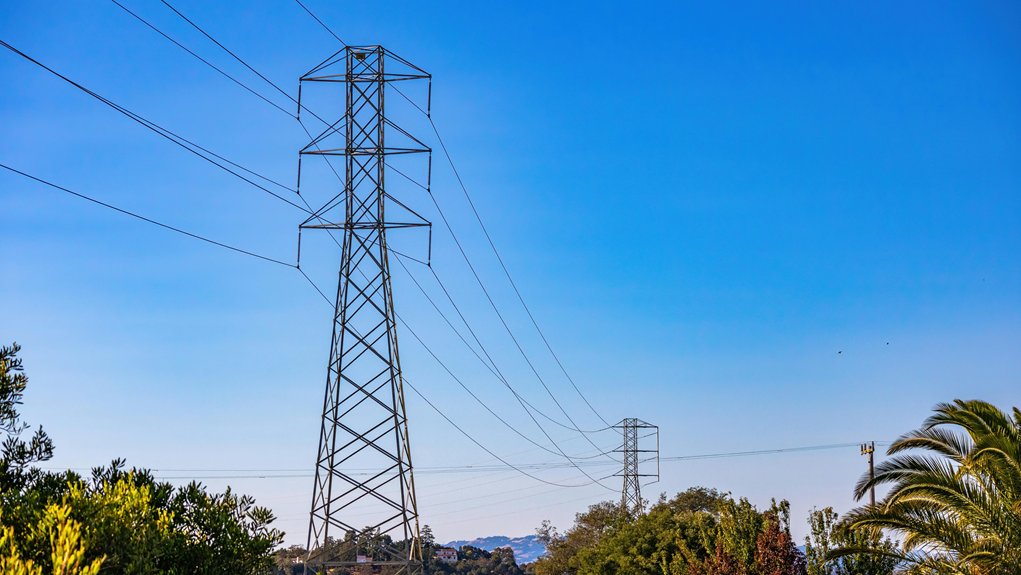
Wind energy presents a viable opportunity for enterprises seeking to enhance sustainability and reduce operational costs. As businesses look to decrease their carbon footprints, the shift towards renewable energy becomes increasingly essential. Companies can benefit from energy independence and positive brand perception. However, successfully implementing wind energy solutions requires careful planning and consideration. What steps must be taken to fully realize these advantages? The answers may reshape the future of corporate energy strategies.
The Key Financial and Environmental Benefits of Wind Energy for Businesses
Numerous businesses are increasingly recognizing the key financial and environmental benefits of wind energy. Shifting to wind energy enables companies to reduce their carbon footprints considerably, aligning their operations with sustainability goals. By investing in wind power, businesses can mitigate the effects of climate change, promoting a healthier planet for future generations. In addition, wind energy contributes to energy independence, reducing reliance on fossil fuels and insulating companies from volatile energy prices. The long-term operational efficiency of wind turbines, coupled with incentives like tax credits and grants, makes this renewable resource appealing. Moreover, companies adopting wind energy enhance their brand image, attracting eco-conscious customers and investors committed to corporate responsibility. Overall, wind energy presents a strategic advantage in today’s environmentally focused marketplace. This transition can also lead to job creation in the renewable energy sector, boosting the economy while fostering a sustainable future.
Discover How Wind Energy Saves Operational Costs
As businesses increasingly prioritize sustainability, the adoption of wind energy emerges as a compelling strategy for reducing operational costs. Implementing wind energy solutions allows enterprises to substantially lower electricity expenses, as wind provides a free and renewable source of power. These long-term energy savings can contribute to improved cash flow and budget flexibility. Additionally, wind energy systems often entail lower operational and maintenance costs compared to traditional fossil fuel power sources. Enterprises can also benefit from government incentives and tax breaks encouraging renewable energy use, further decreasing financial burdens. As organizations shift to wind energy, they not only minimize operational costs but also position themselves strategically for future sustainability mandates and market competitiveness. Moreover, investing in renewable energy capacity enables businesses to capitalize on the growing demand for clean energy.
Enhance Corporate Responsibility With Wind Power
While many corporations seek to improve their ecological footprint, adopting wind power emerges as a pivotal way to enhance corporate responsibility. By investing in renewable energy, enterprises signal a commitment to sustainable practices and contribute to reducing greenhouse gas emissions. Wind power not only helps organizations meet regulatory standards but also fosters a positive brand image among environmentally conscious consumers. Additionally, companies can cultivate partnerships with local communities, creating jobs and supporting local economies through wind farm development. This proactive stance often leads to improved employee morale, as staff increasingly value working for environmentally responsible organizations. Ultimately, integrating wind energy into corporate strategies aligns business objectives with environmental stewardship, ensuring long-term success while benefiting the planet. Moreover, the transition to renewable electricity generation is critical for achieving substantial emissions reductions and promoting a sustainable future.
How Wind Energy Can Boost Your Energy Independence
Investing in wind energy not only enhances corporate responsibility but also plays a significant role in boosting energy independence for enterprises. By adopting wind power, companies can reduce their reliance on traditional fossil fuels and mitigate vulnerability to fluctuating energy prices. This shift allows businesses to generate their own electricity, ensuring a more stable and predictable energy supply. Furthermore, harnessing wind energy can lead to long-term cost savings, as operational expenses decrease over time. As companies increase their self-sufficiency, they become less affected by supply chain disruptions and geopolitical tensions that can impact energy availability. Ultimately, the integration of wind energy empowers enterprises to cultivate a more resilient and sustainable energy future, promoting both operational stability and environmental stewardship. Additionally, the advancements in renewable energy technologies are making wind energy more accessible and efficient than ever before.
Critical Steps to Successfully Implement Wind Energy Solutions
Successfully implementing wind energy solutions requires strategic planning and careful consideration of several key factors. Organizations must first conduct a thorough feasibility study to assess wind resources and site conditions. This involves analyzing wind patterns, local regulations, and potential environmental impacts. Next, enterprises should engage with stakeholders, including local communities and regulatory bodies, to secure necessary permits and support. Financial assessment is vital; businesses need to explore funding options like grants, tax credits, and private investments to manage initial costs. Additionally, selecting and collaborating with experienced vendors for the procurement and installation of wind turbines is essential. Finally, establishing a robust maintenance plan guarantees long-term operational efficiency and reliability of the wind energy solutions implemented. As California’s commitment to renewable energy continues to grow, businesses can play a pivotal role in this transformation.
What Businesses Are Successfully Utilizing Wind Energy?
As companies increasingly seek sustainable energy solutions, numerous enterprises across various sectors have effectively harnessed wind energy to reduce their carbon footprints and operational costs. For instance, large tech firms like Google and Amazon have made significant investments in wind energy projects, powering their data centers with renewable energy. Additionally, manufacturers such as General Motors are utilizing wind power to meet growing sustainability goals, directly influencing their production processes. The agricultural sector also benefits, with wind farms on farmland generating income for farmers while contributing to eco-friendly practices. In addition, energy-intensive businesses like steel production are exploring wind energy as a viable option, enhancing their green credentials. Overall, these companies illustrate the diverse applications and benefits of wind energy across industries.
Frequently Asked Questions
What Types of Wind Turbines Are Best for Businesses?
Small to medium-sized businesses benefit most from Horizontal Axis Wind Turbines (HAWTs) due to their efficiency and power output. Vertical Axis Wind Turbines (VAWTs) may suit urban settings, offering ease of installation and lower noise levels.
How Does Wind Energy Affect Local Wildlife?
Wind energy can impact local wildlife by altering habitats, especially for birds and bats, which may collide with turbines. However, proper site selection and technology advancements can help mitigate these effects and promote ecological balance.
What Is the Average Lifespan of a Wind Turbine?
The average lifespan of a wind turbine typically ranges from 20 to 25 years. Factors such as maintenance, design, and environmental conditions can influence this lifespan, impacting efficiency and energy generation over time.
Are There Government Incentives for Wind Energy Investments?
Many governments offer incentives for wind energy investments, including tax credits, grants, and subsidies. These incentives aim to promote renewable energy adoption, reduce greenhouse gas emissions, and encourage economic growth in the renewable energy sector.
How Can Businesses Integrate Wind Energy With Existing Systems?
Businesses can integrate wind energy by installing on-site turbines, entering power purchase agreements, and utilizing energy management systems. Combining wind sources with existing infrastructure enhances sustainability, reduces reliance on fossil fuels, and promotes long-term cost savings.
Conclusion
In summary, harnessing wind energy presents a transformative opportunity for enterprises, offering significant financial savings and environmental benefits. By reducing operational costs and enhancing corporate responsibility, businesses can improve their brand image and appeal to eco-conscious consumers. Moreover, increased energy independence allows companies to navigate the uncertainties of fossil fuel markets with greater confidence. As more enterprises successfully implement wind energy solutions, they contribute to a sustainable future, positioning themselves as leaders in the green energy shift.