
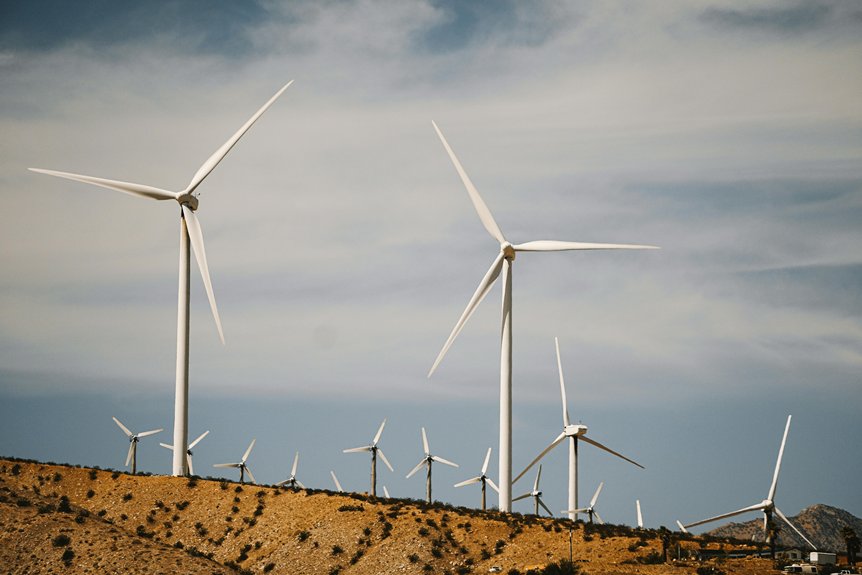
Wind energy has become an increasingly important consideration for businesses looking to enhance operational efficiency. Its predictable cost structure allows companies to better manage expenses while aligning with sustainability goals. As technology advances, the barriers to entry diminish, making wind energy more accessible. However, the potential for substantial savings and brand enhancement brings with it a set of challenges that require careful navigation. What should companies prioritize when evaluating their shift to this renewable resource?
Why Wind Energy Is a Cost-Effective Solution for Businesses
Many businesses are discovering that wind energy offers a compelling cost-effective solution for their energy needs. As companies aim for sustainability, harnessing wind energy has emerged as an appealing option. Unlike fossil fuels, which are subject to volatile pricing and environmental concerns, wind energy provides a predictable, stable source of power. In addition, advancements in technology have greatly lowered the cost of wind turbine installations and maintenance. Many businesses can also take advantage of government incentives and rebates that further reduce initial investments. Moreover, by integrating wind energy into their operations, companies can bolster their public image as environmentally responsible, which may attract eco-conscious consumers. Overall, wind energy stands as a practical alternative that helps businesses reduce long-term operational costs and enhance their sustainability efforts. Additionally, investing in renewables can create more jobs per dollar spent compared to fossil fuel industries.
Understanding the Financial Advantages of Wind Energy
A significant number of businesses are recognizing the substantial financial advantages that wind energy can provide. Shifting to wind energy can lead to significant cost savings through reduced electricity bills and protection against fluctuating energy prices. In addition, businesses can benefit from various government incentives and tax credits designed to promote renewable energy adoption. These forms of financial support can offset initial investments in wind technology, making it a more attractive option. Moreover, corporations that utilize wind energy can enhance their sustainability profile, appealing to environmentally conscious consumers and investors. This improvement in reputation may lead to increased market opportunities and a competitive edge, ultimately resulting in long-term financial benefits for the organization. Furthermore, investing in renewable energy capacity aligns with the broader decarbonization strategies that benefit both the economy and the environment.
Assess Your Company’s Wind Energy Potential
How can a business effectively assess its wind energy potential? First, it should conduct a site analysis to evaluate the geographical and meteorological conditions of its location. This includes measuring wind speed and direction over a period, ideally using an anemometer, to guarantee accurate data collection. Calculating the wind resource potential can help determine the feasibility of wind turbine installation. Additionally, businesses should consider existing regulations and incentives related to wind energy to understand the financial implications. Engaging with experienced consultants or utilizing software tools tailored for wind assessment may provide crucial insights. Ultimately, thorough analysis enables a company to make informed decisions about harnessing wind energy and shifting to a more sustainable energy solution. Moreover, incorporating robust policy frameworks can further enhance the viability and support for wind energy projects.
How Wind Energy Helps Businesses Achieve Sustainability Goals
Wind energy presents a viable pathway for businesses to meet their sustainability goals by reducing carbon emissions and dependence on fossil fuels. By integrating wind power into their energy portfolios, companies can appreciably lower their greenhouse gas emissions, contributing to a more sustainable environment. The shift to renewable energy sources, such as wind, demonstrates a commitment to corporate responsibility and environmental stewardship. Additionally, harnessing wind energy decreases operational costs in the long term, aligning with both financial viability and sustainability objectives. As regulatory frameworks increasingly favor renewable energy, businesses adopting wind technology position themselves favorably in a competitive marketplace. Furthermore, California’s commitment to renewable energy positions it as a leader in the transition to sustainable power solutions. To conclude, utilizing wind energy not only helps businesses achieve sustainability goals but also supports global efforts to combat climate change.
How Wind Energy Can Boost Your Brand Image
Integrating wind energy into business operations can considerably enhance a company’s brand image, particularly as consumers increasingly prioritize sustainability. By adopting renewable energy sources like wind, businesses signal to their stakeholders that they are committed to reducing their carbon footprint and promoting a greener future. This proactive stance not only resonates with environmentally conscious consumers but also differentiates the brand in a competitive marketplace. As more companies leverage wind energy, those that follow suit can strengthen their position by aligning with a rapidly growing trend. Moreover, showcasing renewable energy initiatives can attract socially responsible investors and improve relationships with community partners. Ultimately, embracing wind energy positions a brand as a leader in sustainability, fostering loyalty and trust among its audience. Additionally, collaboration among various stakeholders is essential to drive meaningful change in the fight against climate change.
Case Studies: Successful Wind Energy Adoption
Case studies highlight the successful adoption of wind energy by both major corporations and small businesses. These examples illustrate how organizations of varying sizes can benefit from renewable energy initiatives. By examining these cases, one can identify effective strategies and potential challenges in implementing wind energy solutions.
Major Corporations Leading Adoption
As companies increasingly seek sustainable energy solutions, several major corporations have emerged as leaders in the adoption of wind energy. Particularly, tech giant Google has committed to operating on 100% renewable energy, achieving this milestone through substantial investments in wind projects. Similarly, Walmart has initiated extensive wind energy projects across the United States, aiming to power its operations sustainably while reducing costs. Additionally, Amazon is making significant strides in this shift, with plans to reach net-zero carbon by 2040, partly fueled by its investments in wind farms. These corporations not only demonstrate a commitment to environmental stewardship but also showcase the economic viability of wind energy, setting a benchmark for other businesses to follow in the pursuit of sustainability.
Small Businesses Achieving Success
While major corporations are leading the way in wind energy adoption, small businesses are also finding success in harnessing this renewable resource. From local farms to artisanal manufacturers, these enterprises are integrating wind energy into their operations, resulting in reduced energy costs and increased sustainability. For instance, a small winery in California installed wind turbines to power its production facility, markedly lowering its electricity bills while marketing its commitment to eco-friendliness. Similarly, a mid-sized textile company in Texas adopted wind energy, which not only cut operational costs but also attracted environmentally conscious customers. These case studies illustrate that small businesses are leveraging wind energy, demonstrating that even modest investments in renewable resources can yield substantial business benefits and contribute to a greener economy.
Navigating Challenges in Implementing Wind Energy Solutions
Implementing wind energy solutions presents businesses with multiple challenges that can impede progress and efficiency. Chief among these obstacles are high initial capital costs, which may deter investment despite long-term savings. Additionally, regulatory hurdles can complicate the permitting process, creating delays that frustrate project timelines. Businesses also face technical challenges related to integrating wind energy systems with existing infrastructure. The variability of wind resources can lead to concerns over reliability and energy supply continuity. Moreover, securing suitable locations for wind farms often encounters opposition from local communities or environmental groups. By understanding and addressing these challenges, businesses can strategically plan their wind energy initiatives, aligning them with their operational goals while promoting sustainability.
Frequently Asked Questions
What Are the Environmental Benefits of Wind Energy Beyond Cost Savings?
Wind energy greatly reduces greenhouse gas emissions, promotes biodiversity, and conserves water resources. It contributes to cleaner air and supports sustainable ecosystems, ultimately fostering a healthier environment for current and future generations while combatting climate change.
How Can Small Businesses Implement Wind Energy Solutions Effectively?
Small businesses can implement wind energy solutions effectively by evaluating site-specific wind resources, collaborating with local energy providers, investing in small-scale turbines, exploring financial incentives, and educating employees about sustainability benefits to enhance community engagement.
What Are Common Misconceptions About Wind Energy for Businesses?
Common misconceptions about wind energy include the belief that it is unreliable, too costly, and only suitable for large enterprises. Many underestimate its scalability, maintenance ease, and potential savings, which can benefit businesses of all sizes.
How Does Wind Energy Affect Employee Morale and Company Culture?
Wind energy positively influences employee morale and company culture by promoting sustainability and corporate responsibility. Employees often feel a sense of pride and engagement working for environmentally conscious organizations, fostering a collaborative and innovative workplace atmosphere.
What Regulations Should Businesses Consider When Adopting Wind Energy?
Businesses adopting wind energy should consider regulations regarding permits, grid interconnection, environmental impact assessments, and compliance with state and federal incentives. Understanding local zoning laws and federal energy guidelines is essential for successful implementation.
Conclusion
To sum up, wind energy presents a compelling opportunity for businesses seeking cost savings, enhanced sustainability, and improved brand image. By leveraging financial incentives and understanding their wind energy potential, companies can adopt this renewable resource to not only reduce operational expenses but also attract eco-conscious consumers. As demonstrated by successful case studies, overcoming challenges in implementation can position businesses advantageously in a competitive market, ultimately contributing to a more sustainable future.